
Lesson Library
12 lessons across all grade bands and topics
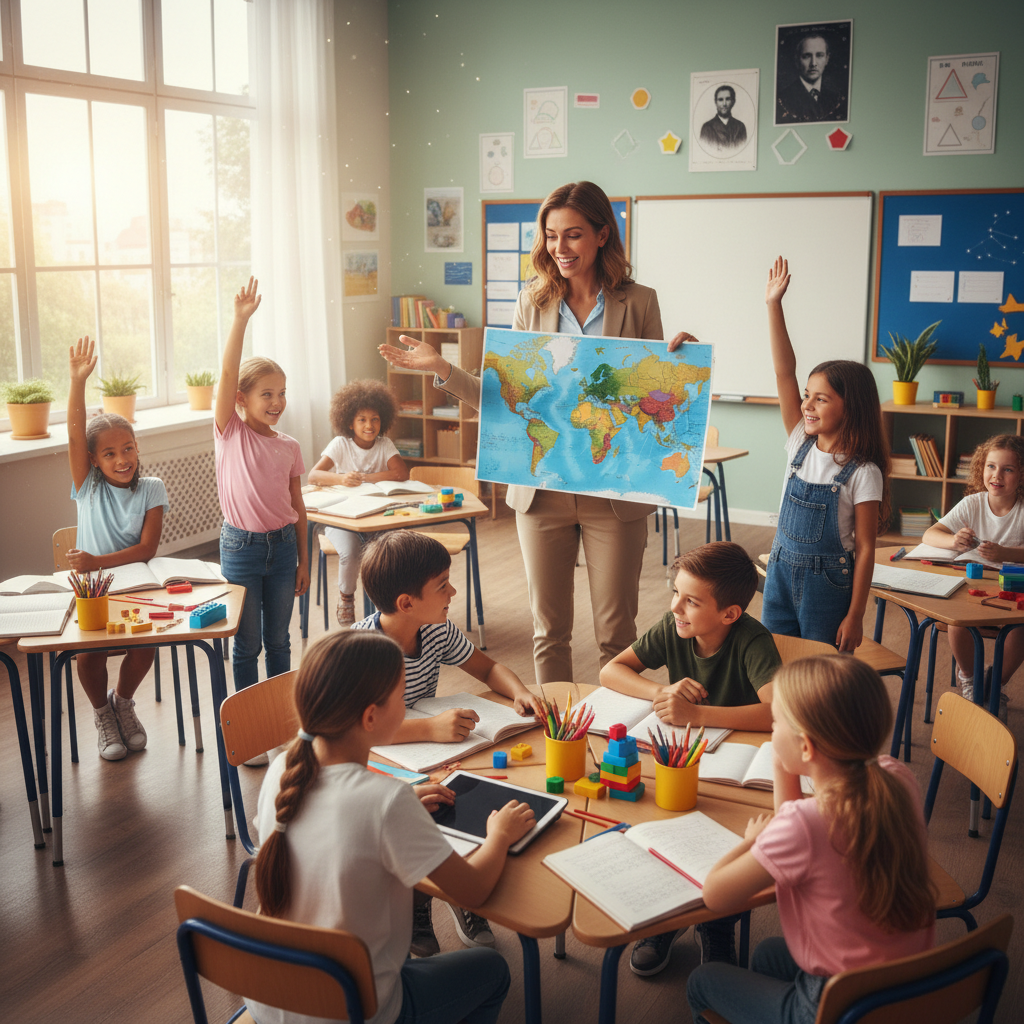
What Is Global Citizenship? An Introduction for Young Learners
Students explore what it means to be a citizen of the world through storytelling, maps, and collaborative discussion activities.
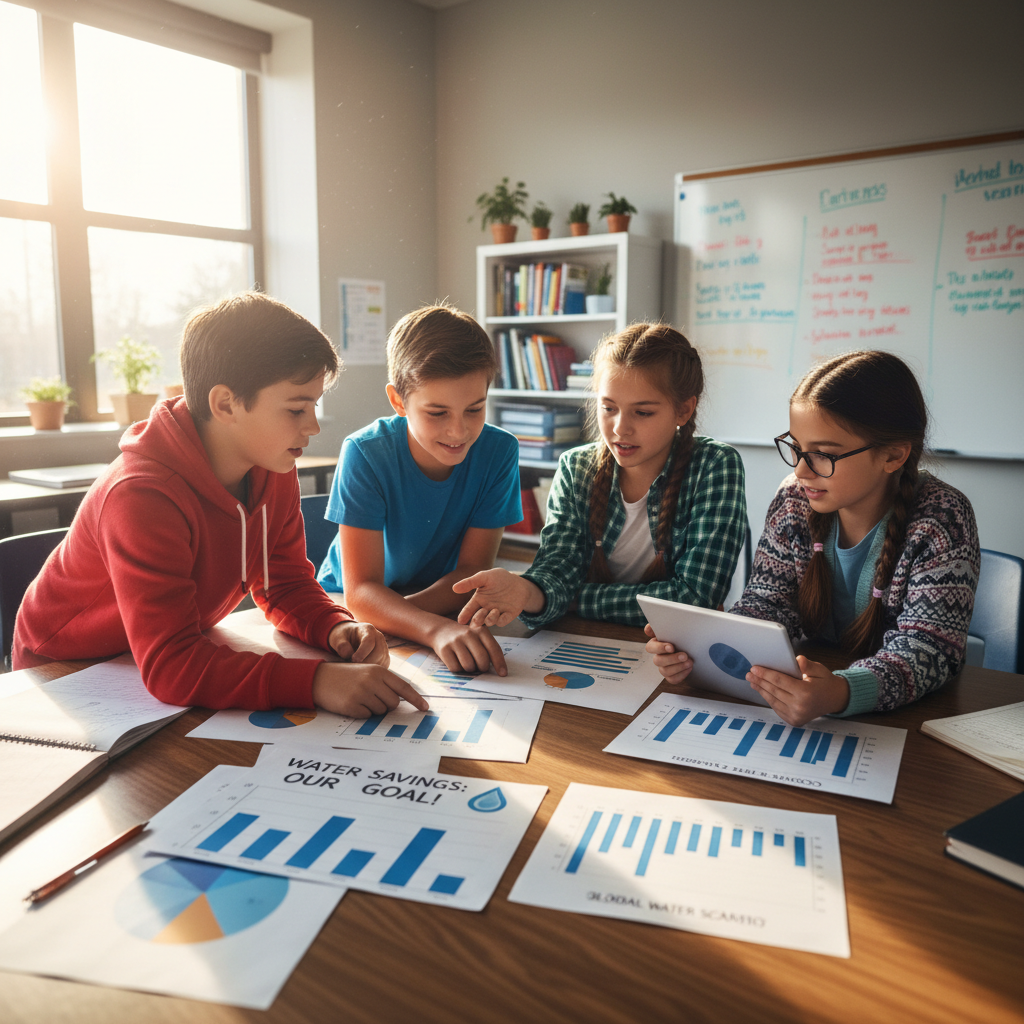
Clean Water Access: A Global Crisis in Our Classrooms
A project-based unit where students investigate global water inequality, analyze data from WHO reports, and design community solutions.
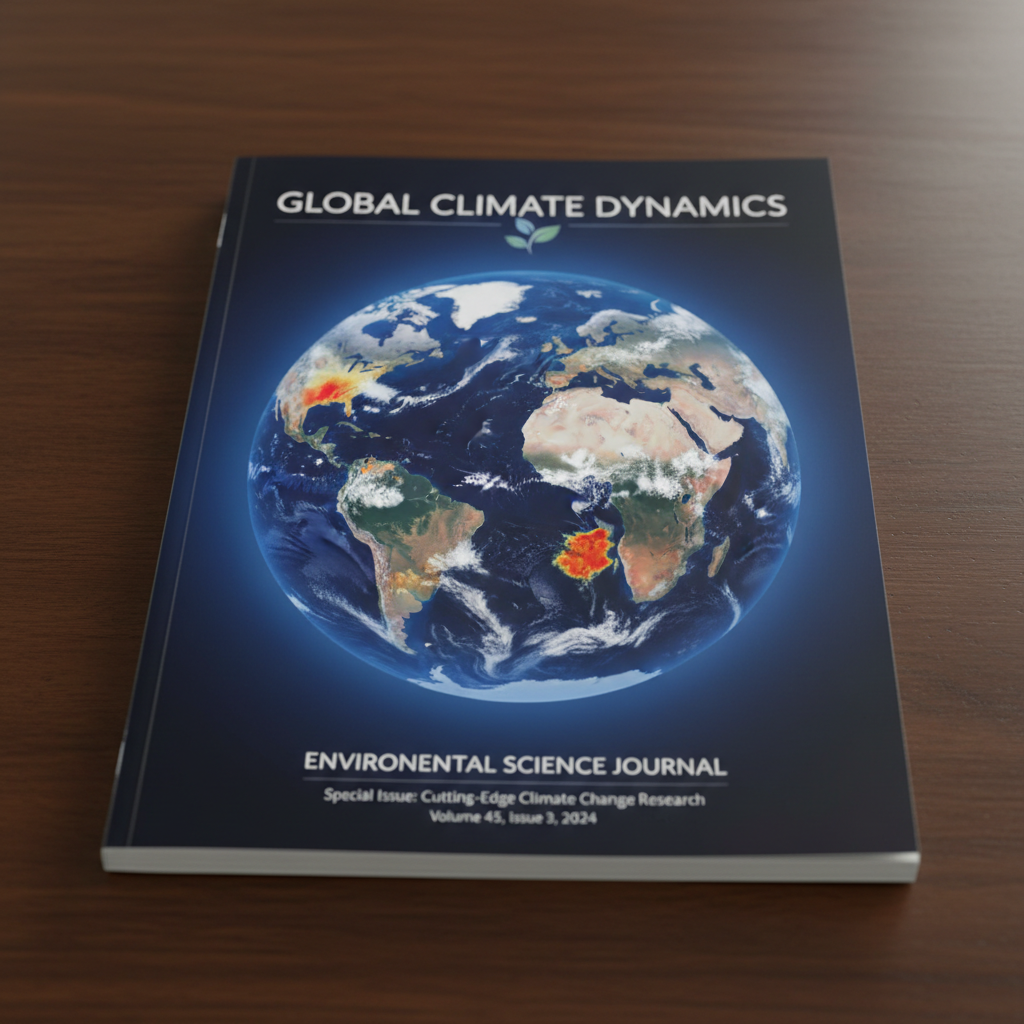
Climate Justice: Who Bears the Burden?
An interdisciplinary unit examining climate change through a justice lens — who is most affected, why, and what can be done.
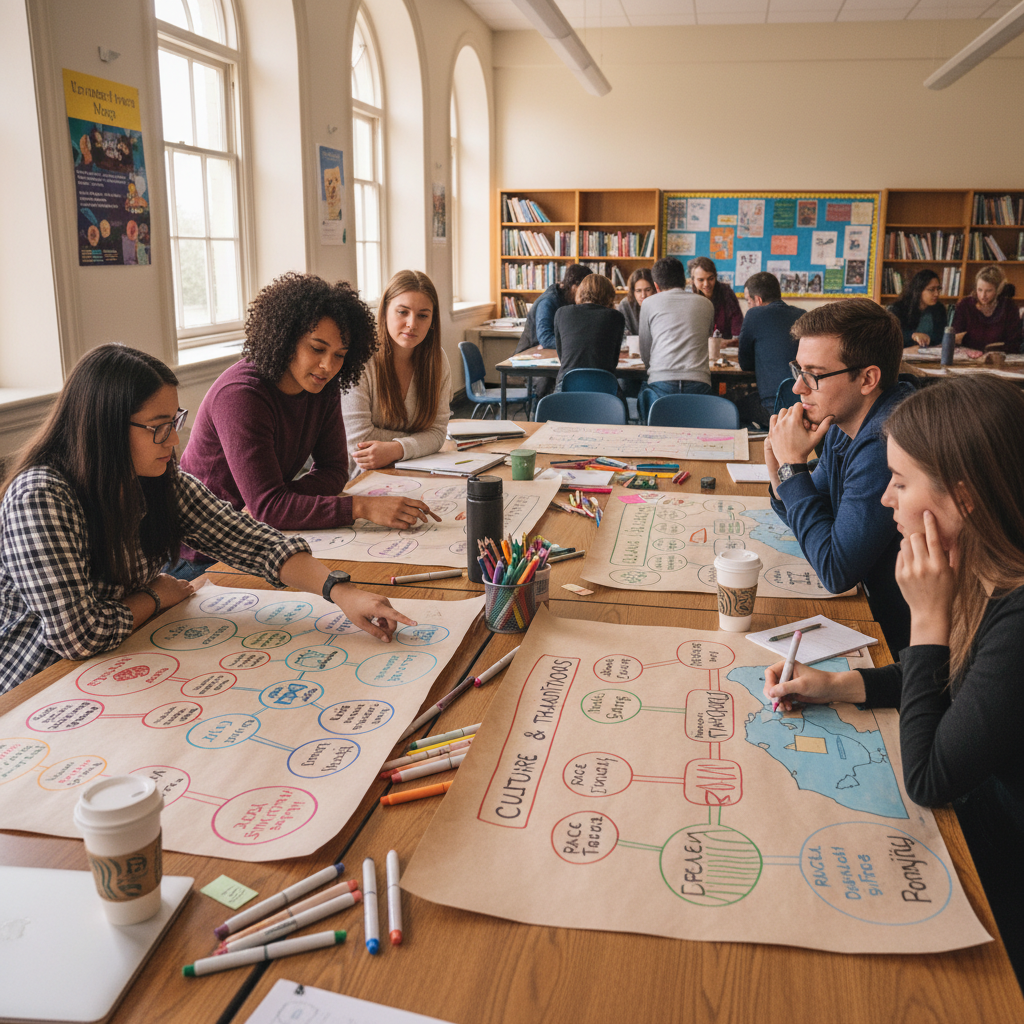
Identity Mapping: Who Am I in the World?
Students create personal identity maps exploring race, culture, language, and belonging, then share in structured dialogue circles.
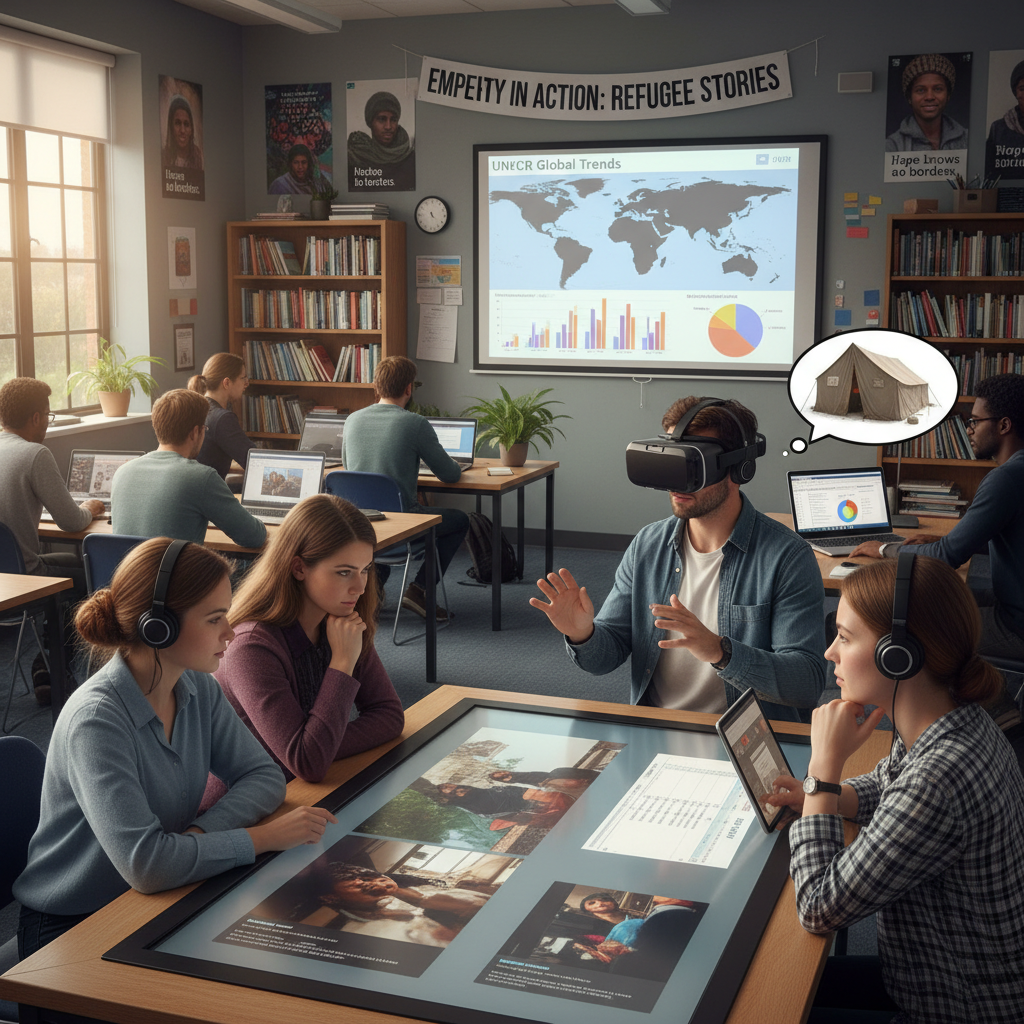
Refugee Journeys: Stories of Resilience and Hope
Students engage with real refugee narratives through multimedia, build empathy through perspective-taking activities, and explore UNHCR data.
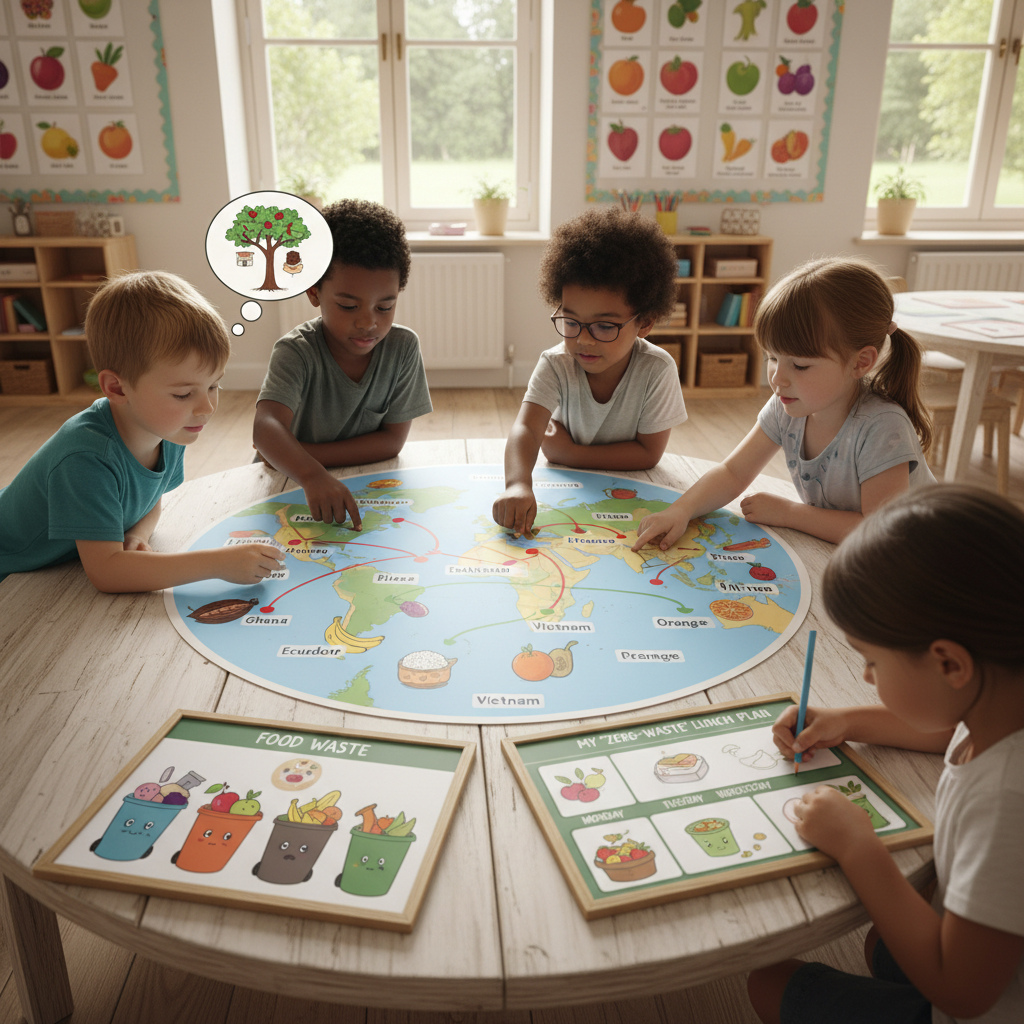
Food Systems & Global Hunger: From Farm to Fork
Young learners trace food from its origins around the world, learn about food waste, and design their own "zero-waste" lunch plan.
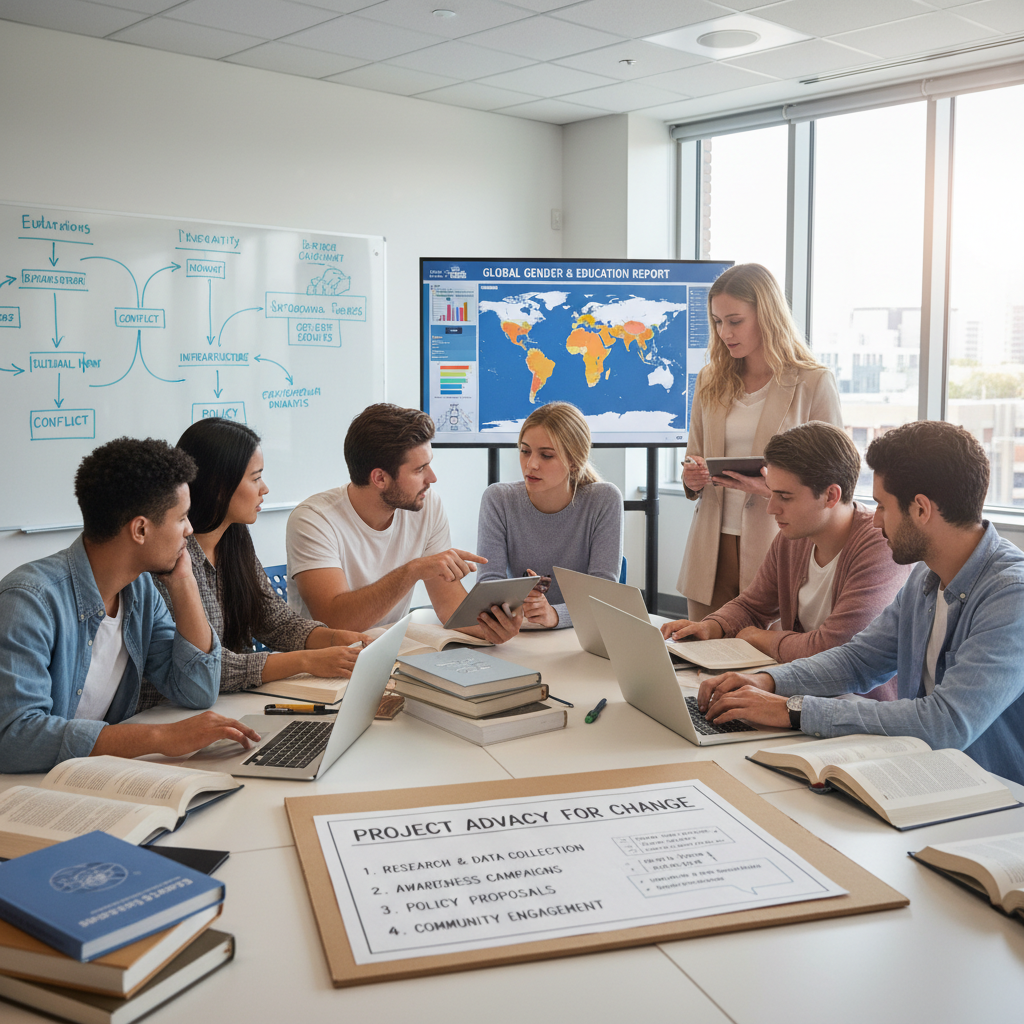
Gender Equality in Education: A Global Perspective
Students investigate global disparities in educational access by gender, examine structural causes, and advocate for change through research projects.
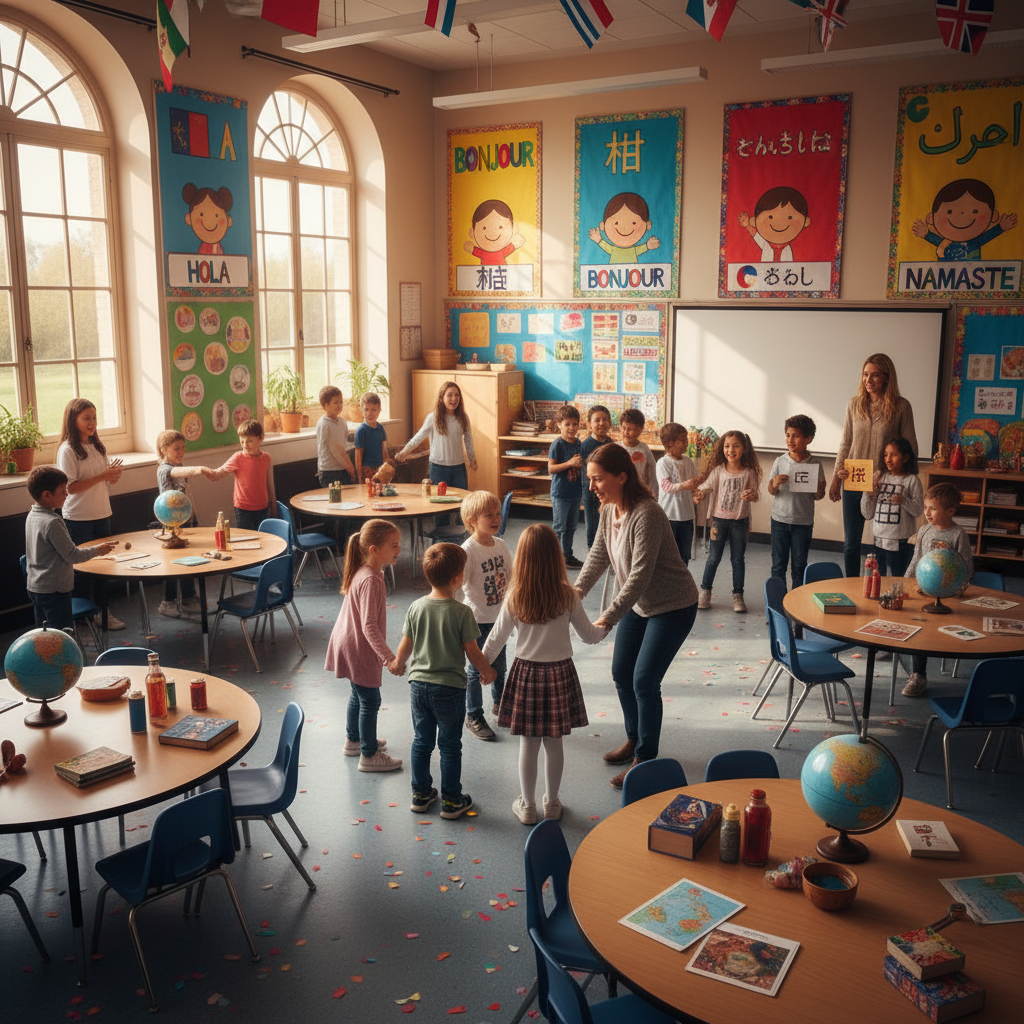
The Language of Belonging: Multilingualism and Identity
Students celebrate linguistic diversity in their classroom, learn greetings in six languages, and explore how language connects us to culture and family.

Economic Inequality: Why Does It Matter?
A data-rich unit on global wealth distribution, Gini coefficients, and structural causes of inequality, culminating in a policy proposal.

Plastic Pollution: Our Ocean, Our Responsibility
Students investigate the lifecycle of plastic, map ocean pollution hotspots, and create public service announcements for their school community.
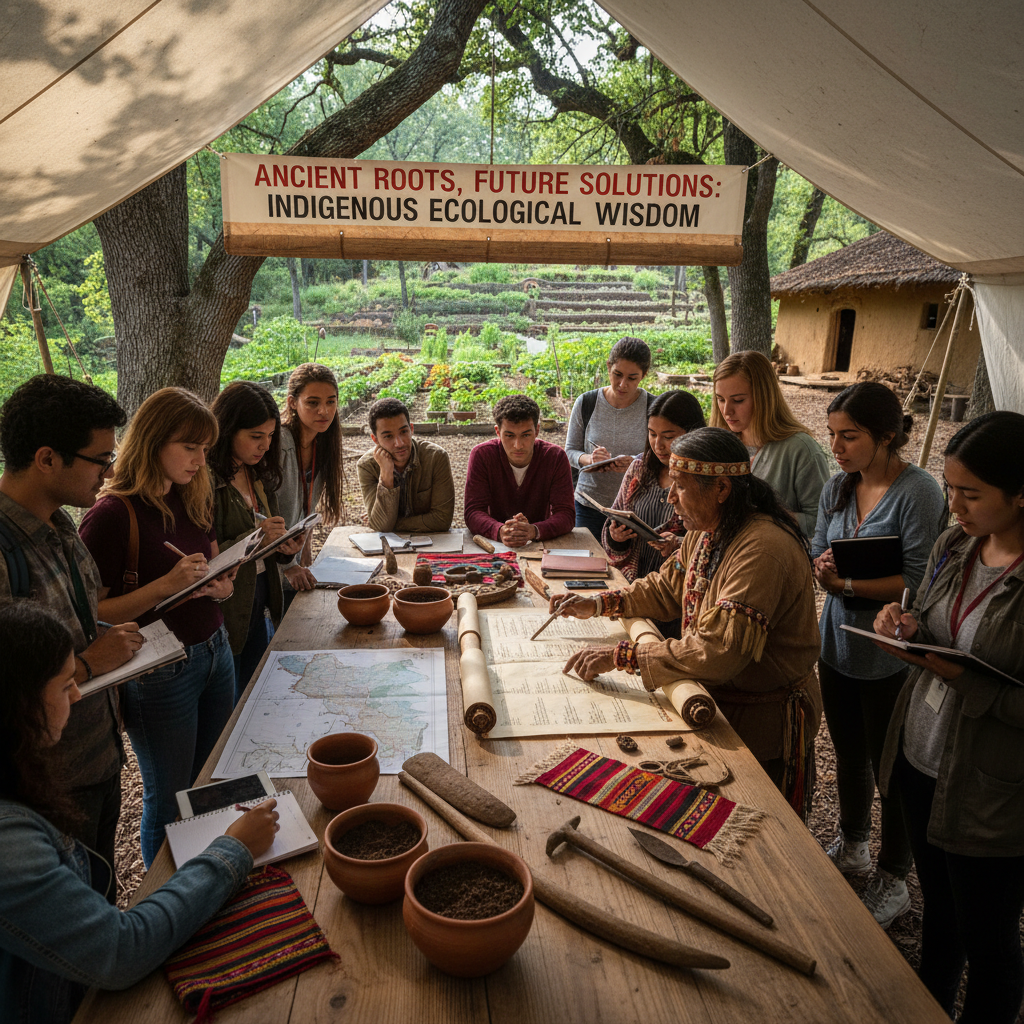
Indigenous Knowledge & Environmental Stewardship
Students examine how indigenous communities around the world have sustainably managed ecosystems for centuries and what modern society can learn.
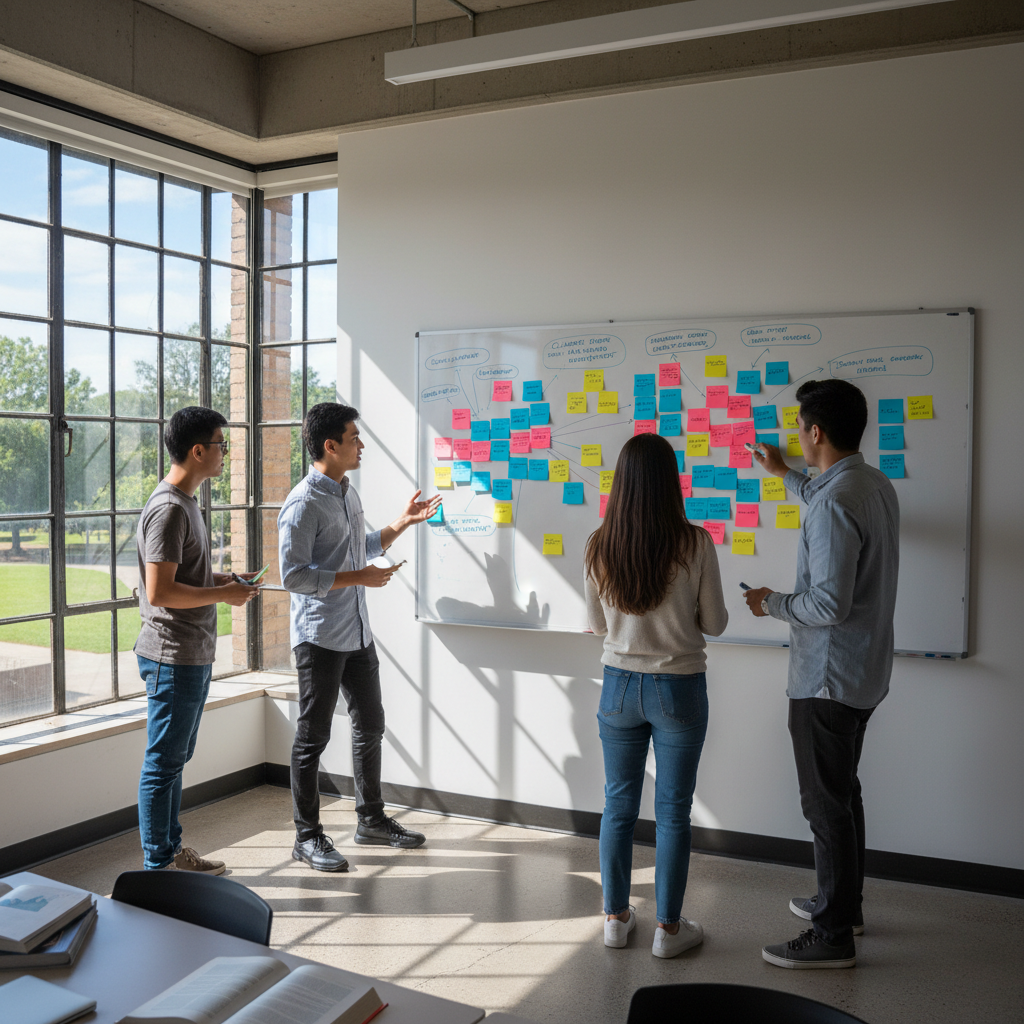
Migration Stories: Understanding Why People Move
Through picture books, personal narratives, and mapping activities, students explore push/pull factors of migration and build empathy for newcomers.